


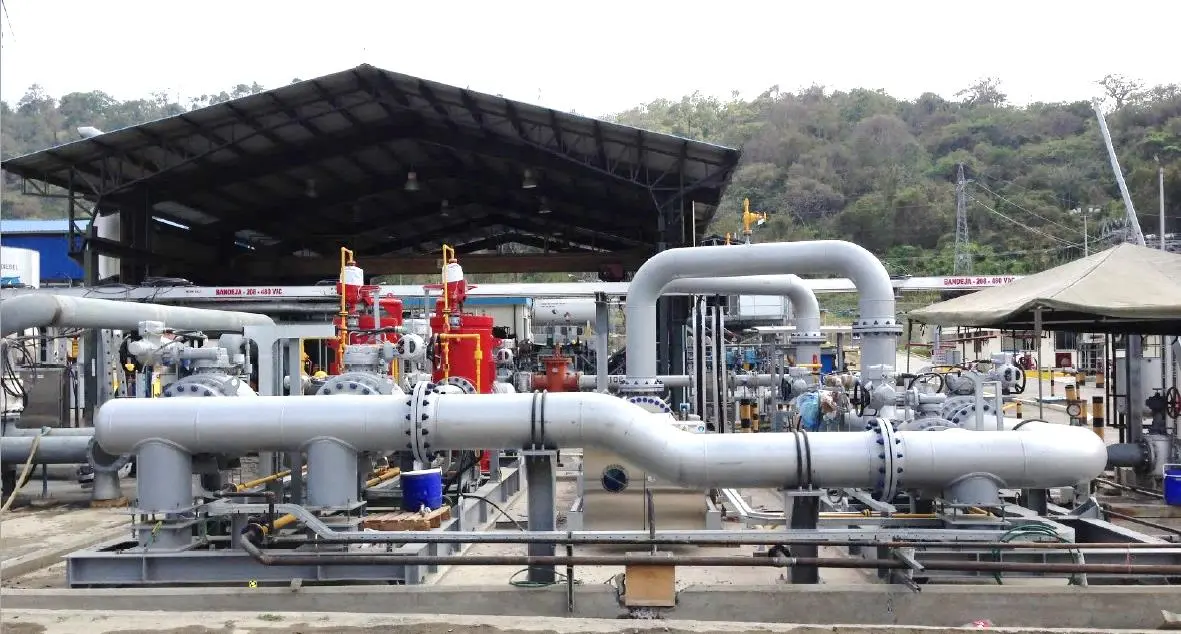
Refined-Product LACT StationHigh-capacity outdoor installation
Integrated metering packages that verify oil quality, reject non-merchantable product, collect representative samples and report standardized custody-transfer volume.
Endress+Hauser Promass 300 / 500 Technology + MDOW Skid Engineering & Integration

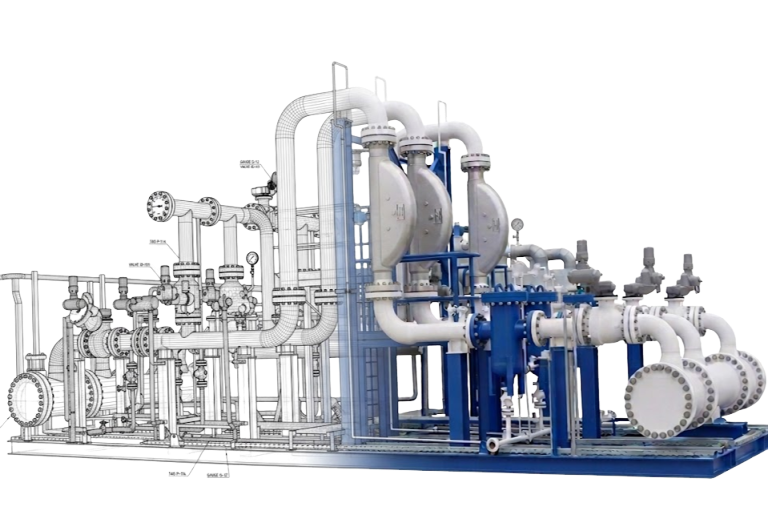
A LACT unit automates the formal transfer of crude oil ownership. The system checks product condition before measurement, diverts water-rich or off-specification oil, removes free gas, creates a representative sample and calculates standardized volume for reporting and invoicing.
Every component supports the same objective: measure the quantity of acceptable crude oil accurately while maintaining a traceable sample and a controlled route for rejected product.
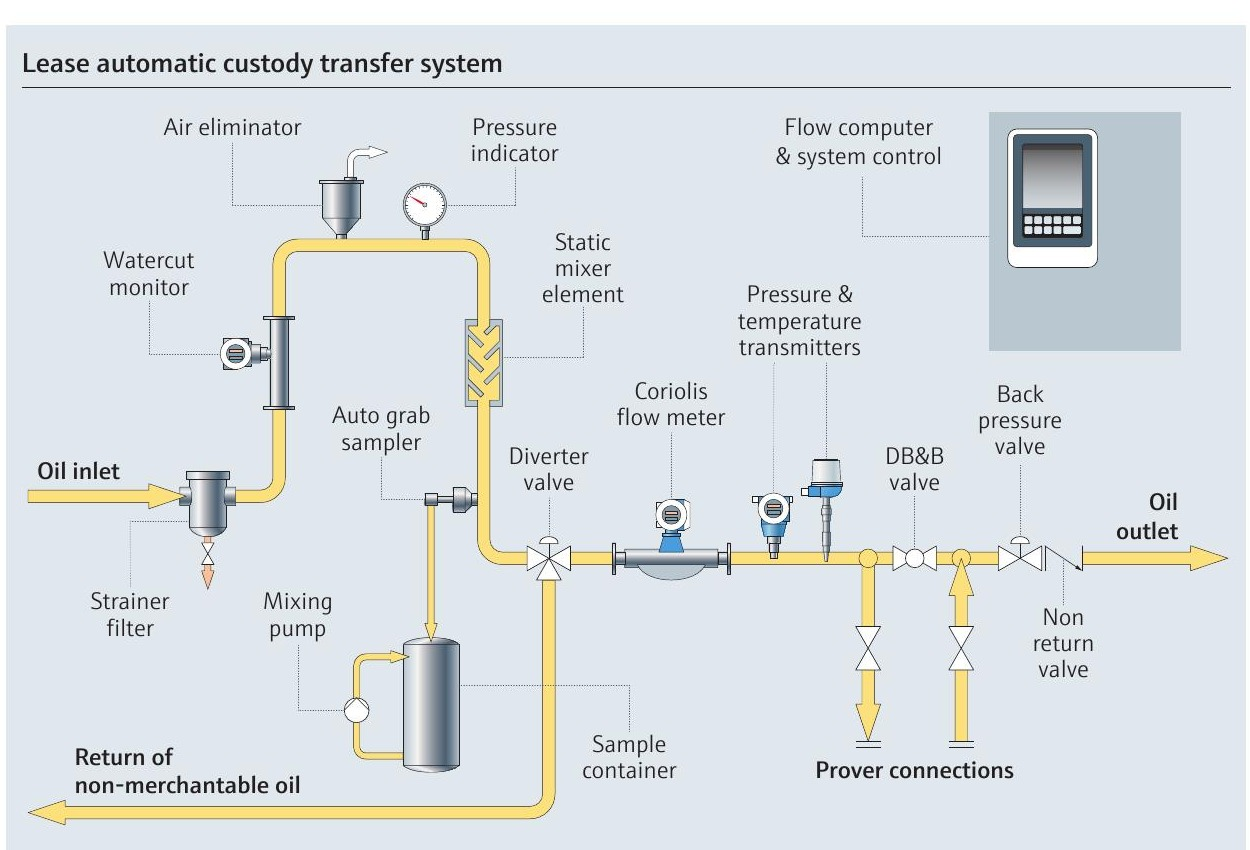
Illustrative system arrangement. The external prover loop is shown schematically; final piping and control logic follow the project design.
MDOW integrates E+H Coriolis measurement into a complete LACT skid, combining proven instrumentation with process design, piping, sampling, automation and project-specific packaging.
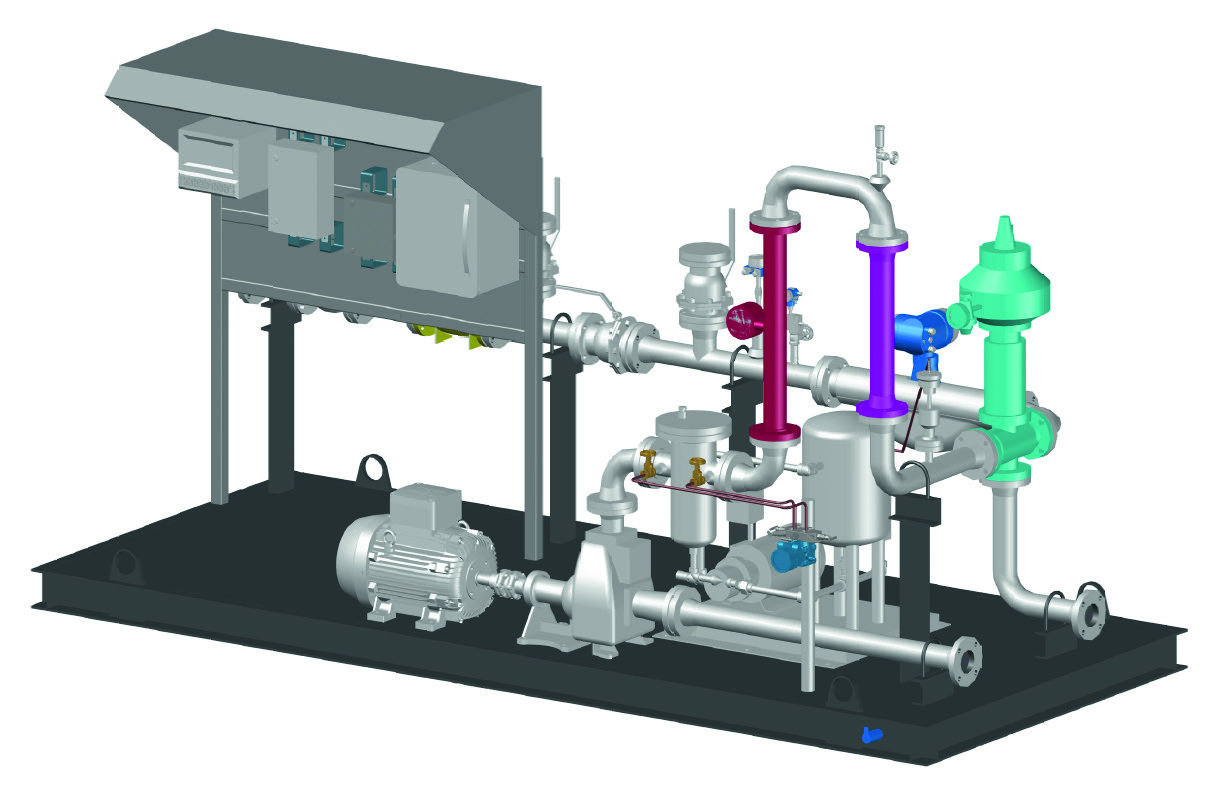
Promass 300 and 500 instruments provide direct mass flow and density measurement with diagnostics that support transparent custody-transfer operation.
In high-throughput crude oil service, metering uncertainty directly affects the reliability of commercial settlement. Higher system accuracy narrows the potential billing-error band for both buyer and seller.
Illustrative example reproduced from the Endress+Hauser LACT product material. Actual commercial exposure depends on flow, oil price, operating time and complete system uncertainty.
The supplied Endress+Hauser project material demonstrates how a common Coriolis custody-transfer platform can be configured for different line sizes, pressure classes, flow availability and proving philosophies—from parallel duty lines to staged-capacity systems with a shared small-volume prover.
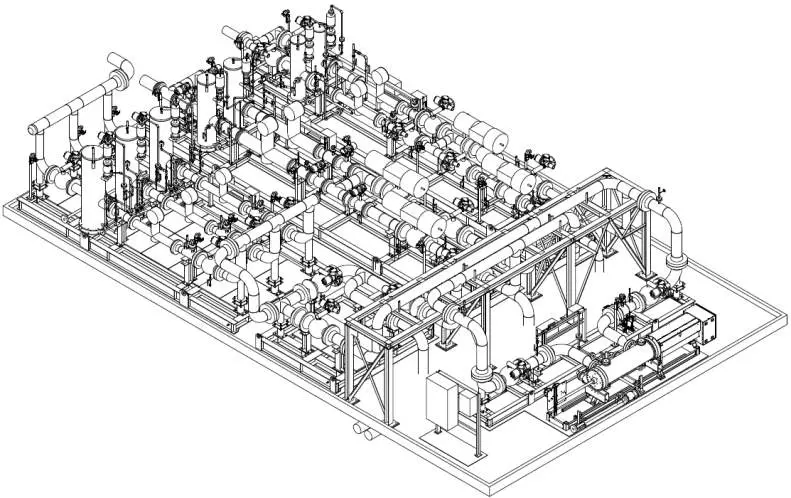
A documented installation combined several LACT stations operating at different pressure classes with a Class 900 small-volume piston prover. The arrangement supported refined-product transfer with redundant metering streams and a verified total system accuracy of 0.15% for that specific project.
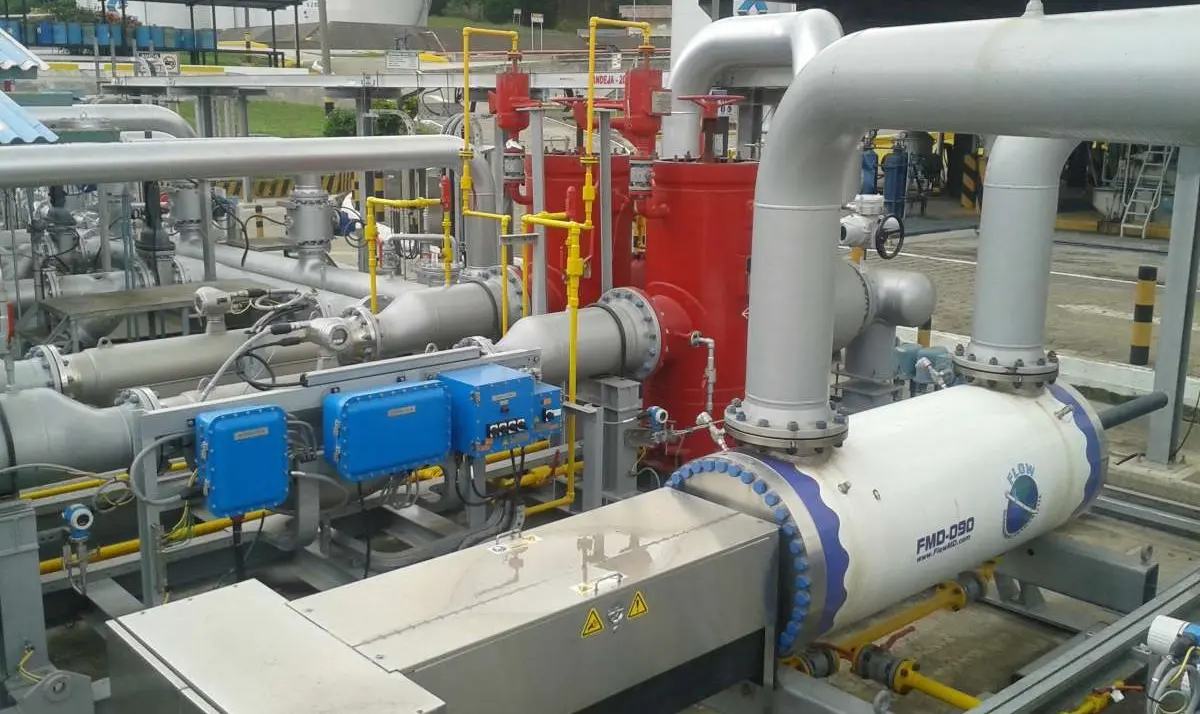
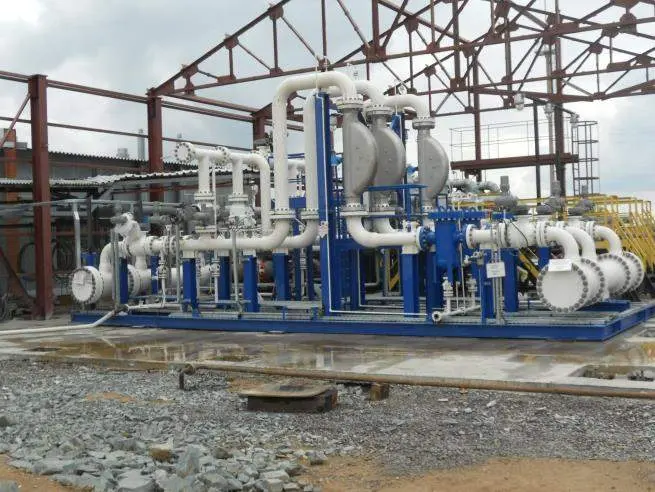
Reference values and arrangements above are drawn from the supplied project presentation. Final line size, pressure class, accuracy, redundancy and proving method are engineered for each contract.
Standardized designs support tight schedules, while materials, pressure class, power supply, proving method and layout can be tailored to project requirements.
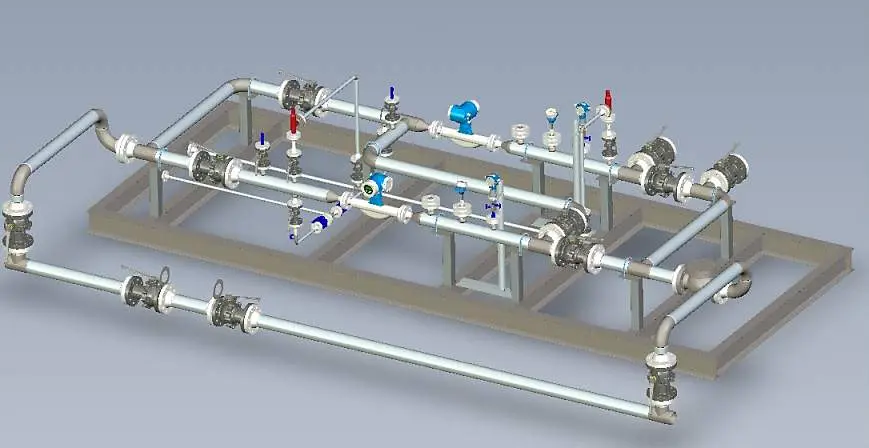
Meter placement and valving determine how the station remains available, how meters are compared and how verification is performed. The correct pattern depends on process continuity, required uncertainty and the site's proving philosophy.
LACT commonly refers to automated liquid-hydrocarbon transfer, while the same modular engineering principles and Endress+Hauser Coriolis technology can be extended to other custody-transfer duties. The supplied references include LPG, hydrogen, propylene and CO₂ systems with application-specific piping, redundancy and control arrangements.
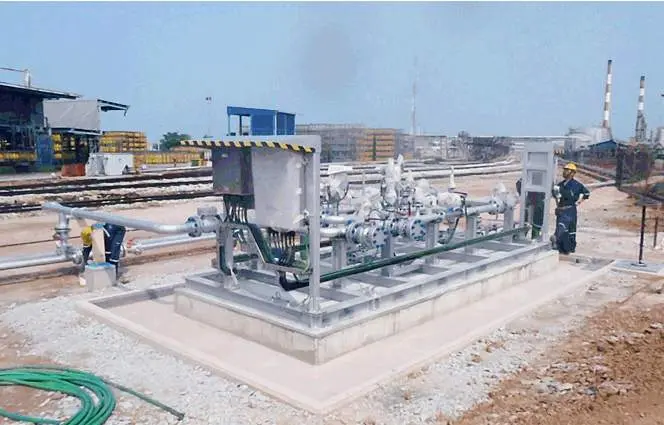
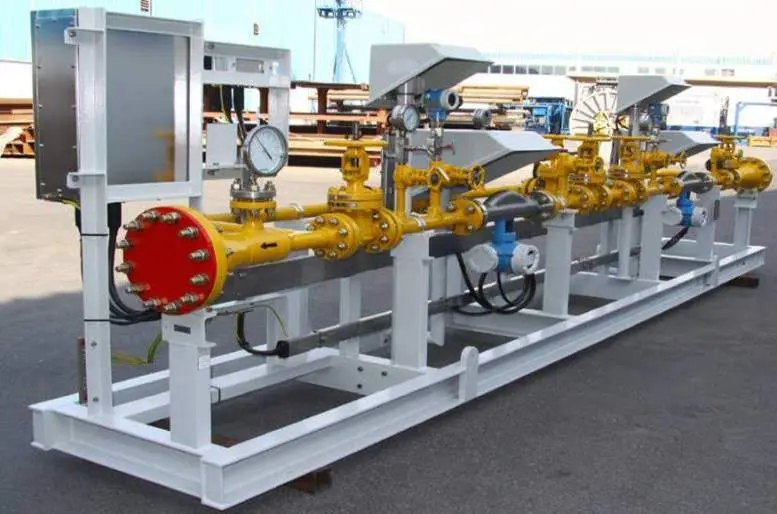
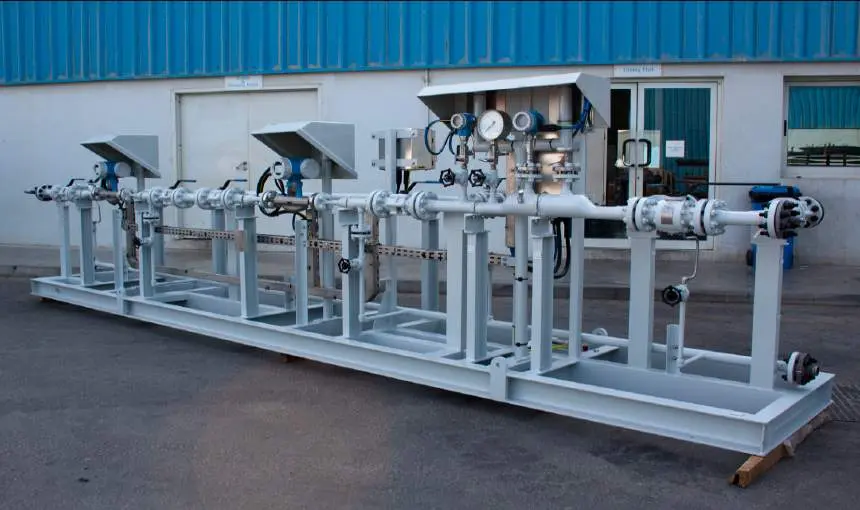
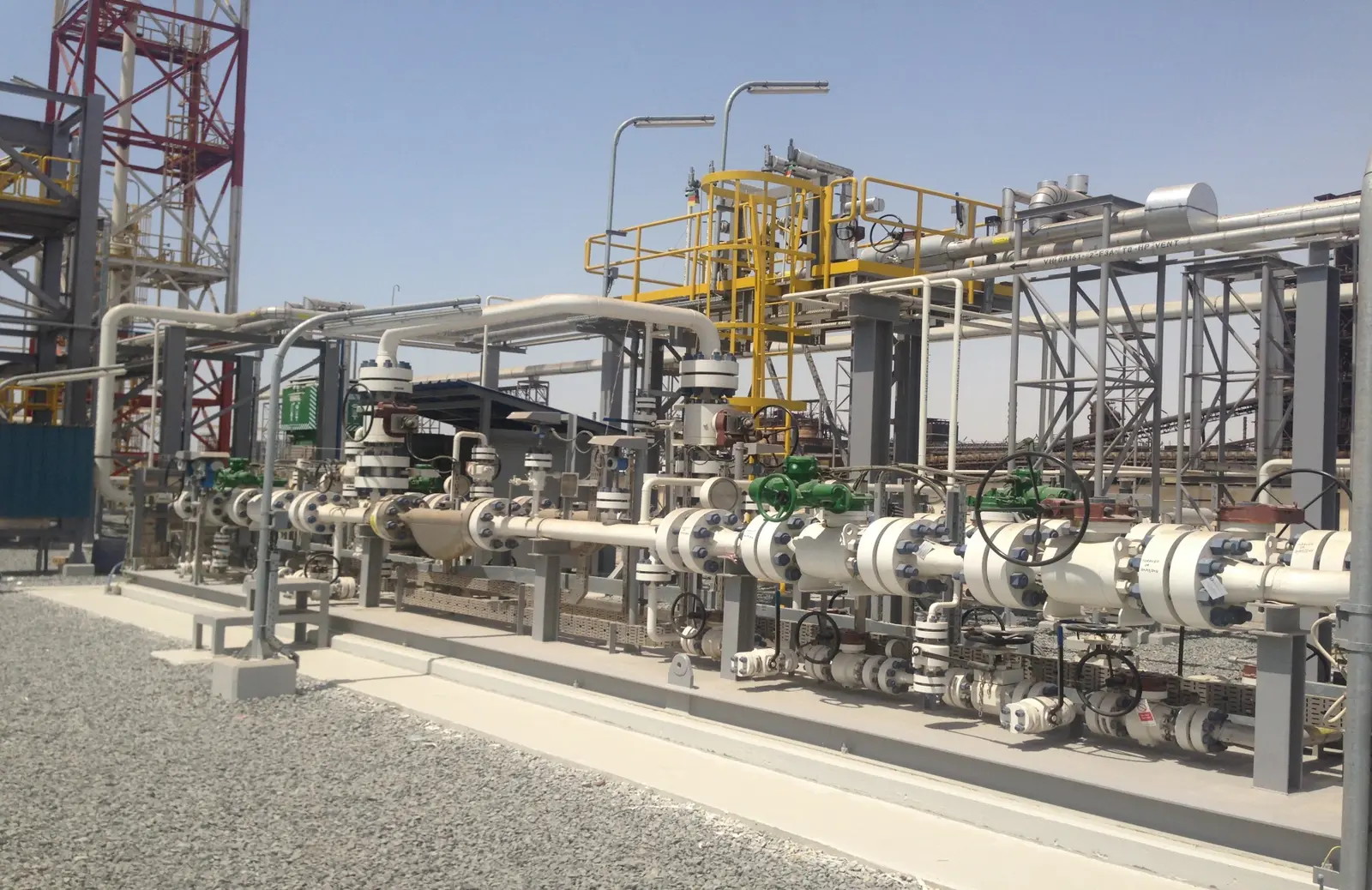
These photographs show reference custody-transfer applications included in the supplied Endress+Hauser material. They illustrate configuration capability and do not represent one standard LACT design.
Share the fluid data, flow range, pressure class, site classification and custody-transfer requirements. MDOW will configure the skid around Endress+Hauser measurement technology and the complete project interface.