

Total Space
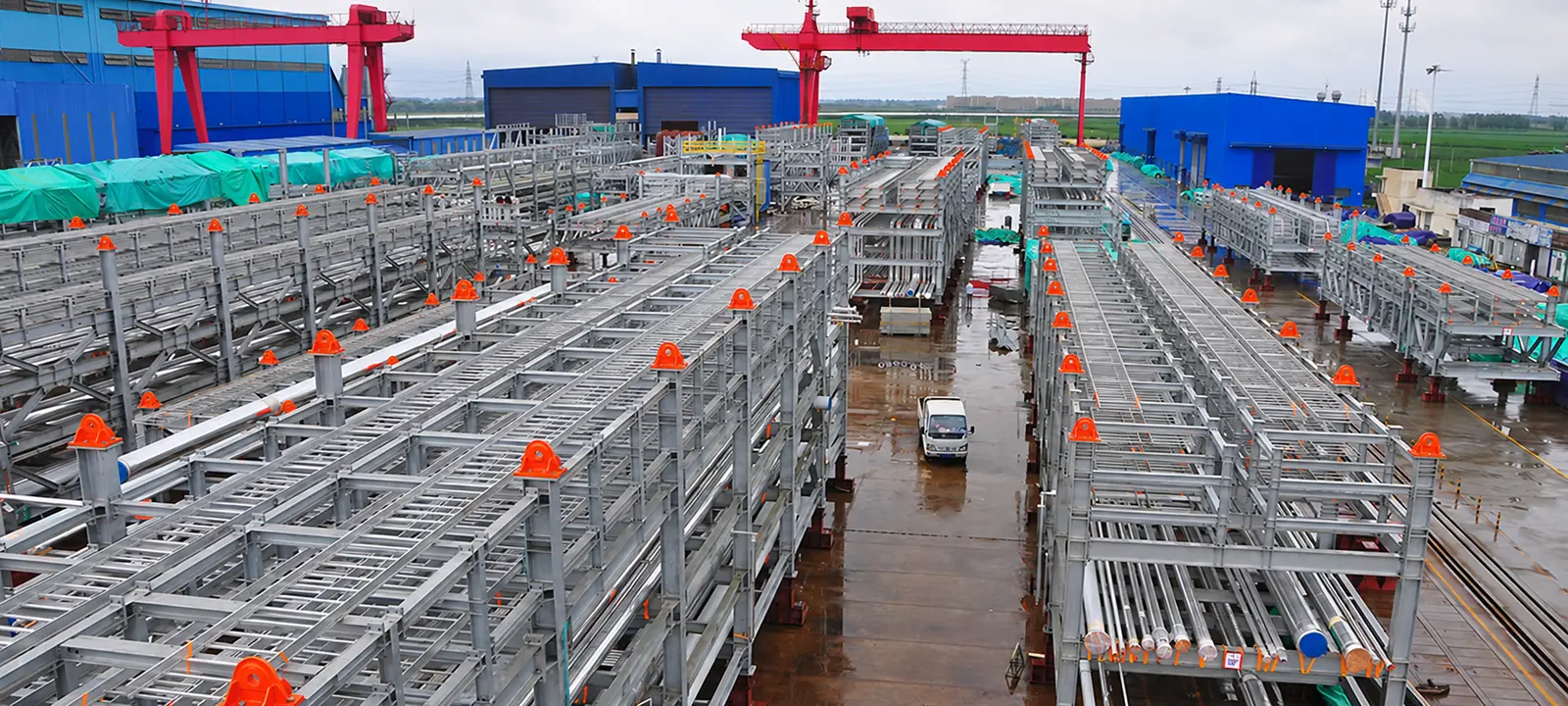
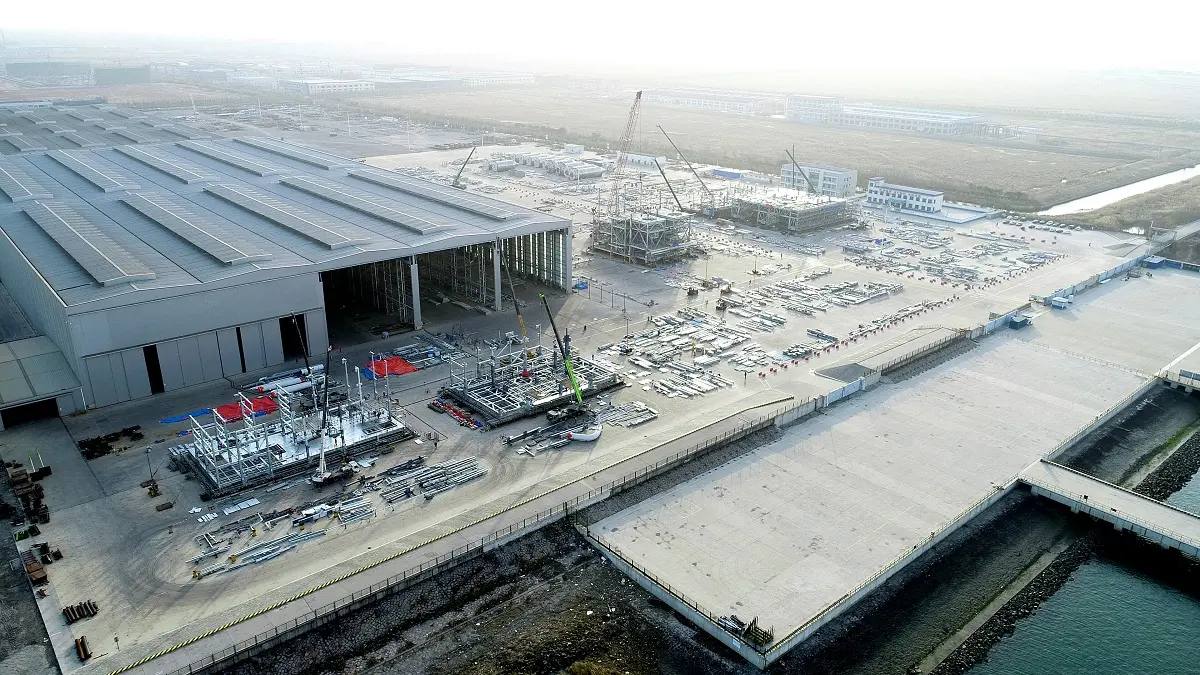
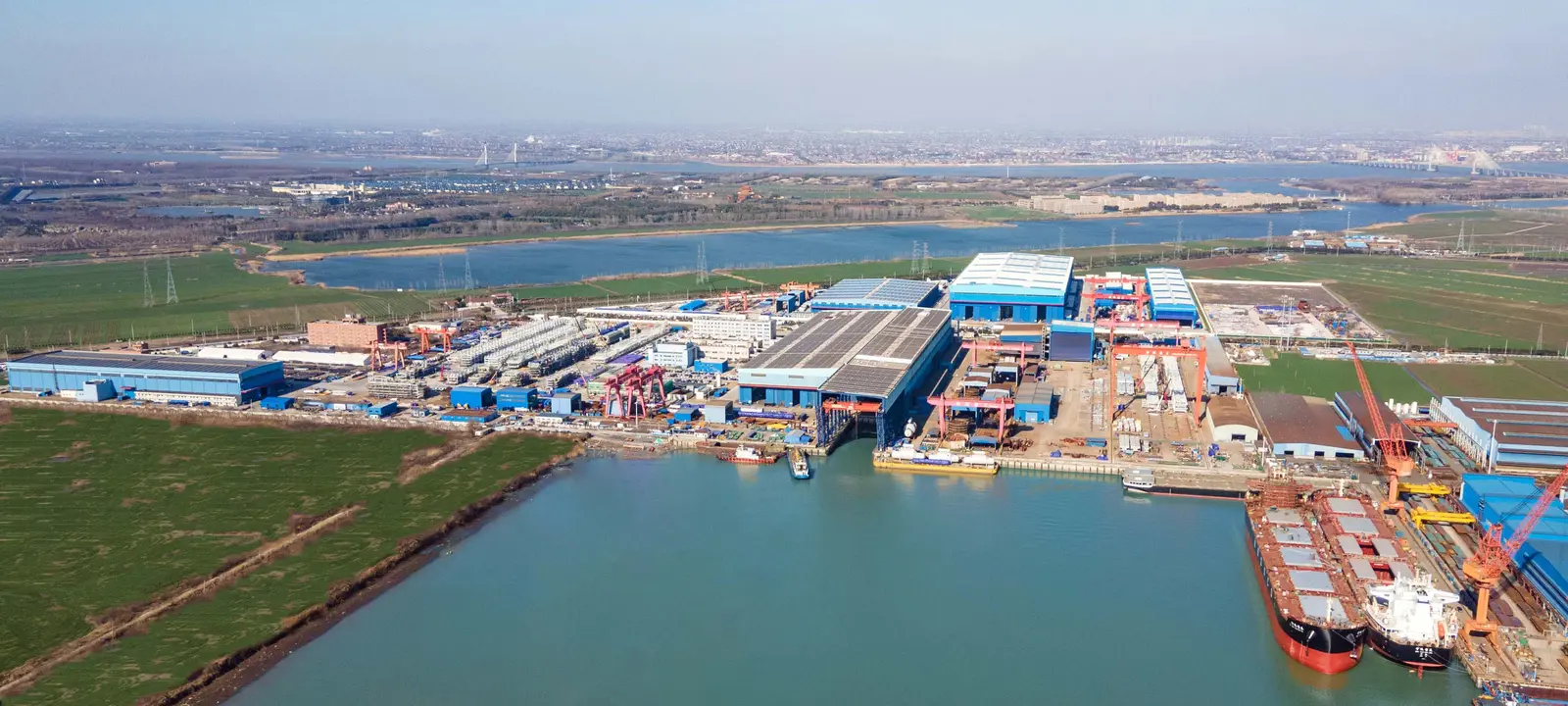
Overall production, assembly, storage and logistics area across the manufacturing base.
MDOW coordinates industrial module fabrication through its manufacturing network, connecting engineering requirements with workshop production, assembly and inspection. Manufacturing resources are selected to suit the equipment scope and project specification.
Representative manufacturing resources support large module fabrication, indoor assembly, heat treatment, heavy lifting and direct marine load-out. Final facility allocation and availability are confirmed for each project.
Overall production, assembly, storage and logistics area across the manufacturing base.
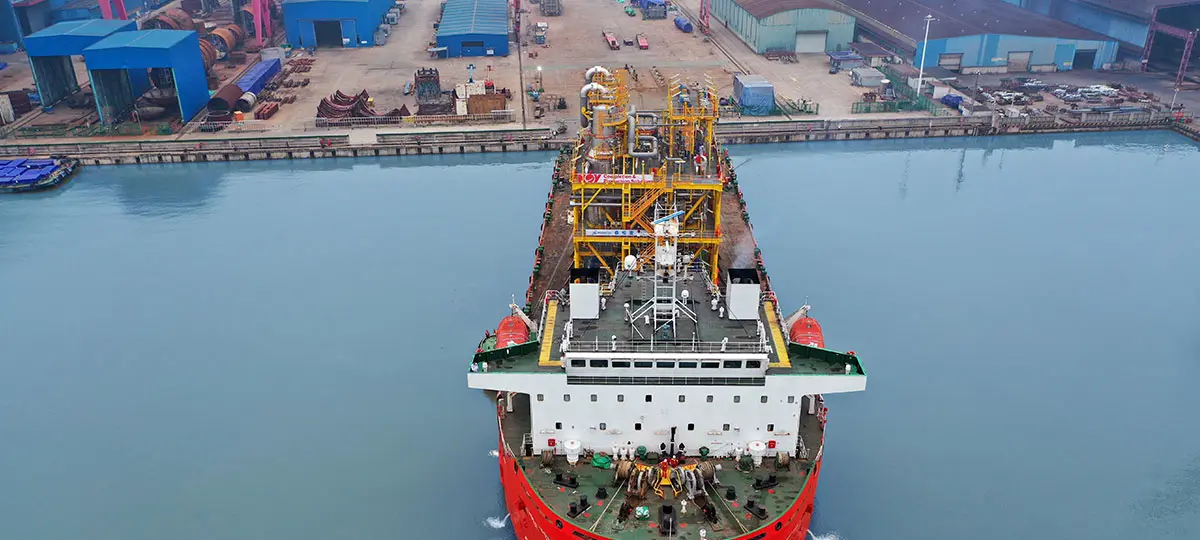
Marine-access dock supporting large-module assembly and direct project load-out.
Roll-on / roll-off access for heavy modules and transport equipment.
Reference maximum single-piece handling and delivery capability.
Protected internal dock area supporting fabrication and module handling operations.
3,000 t on a 40 m-wide slideway and 5,000 t on a 60 m-wide slideway, rated at 32 MT/m².
Reference furnace width × height × length dimensions for large fabricated equipment.
Heavy indoor lifting capability for large-scale module assembly and handling.
Figures describe representative manufacturing-base resources and do not imply reserved project capacity. Applicable dock access, lifting plans, ground loading, furnace availability and load-out method are verified for each order.
The manufacturing scope includes industrial module integration, pressure equipment, piping spools, structural steel and refurbishment. MDOW coordinates drawings, package interfaces and project requirements with the selected fabrication partner.
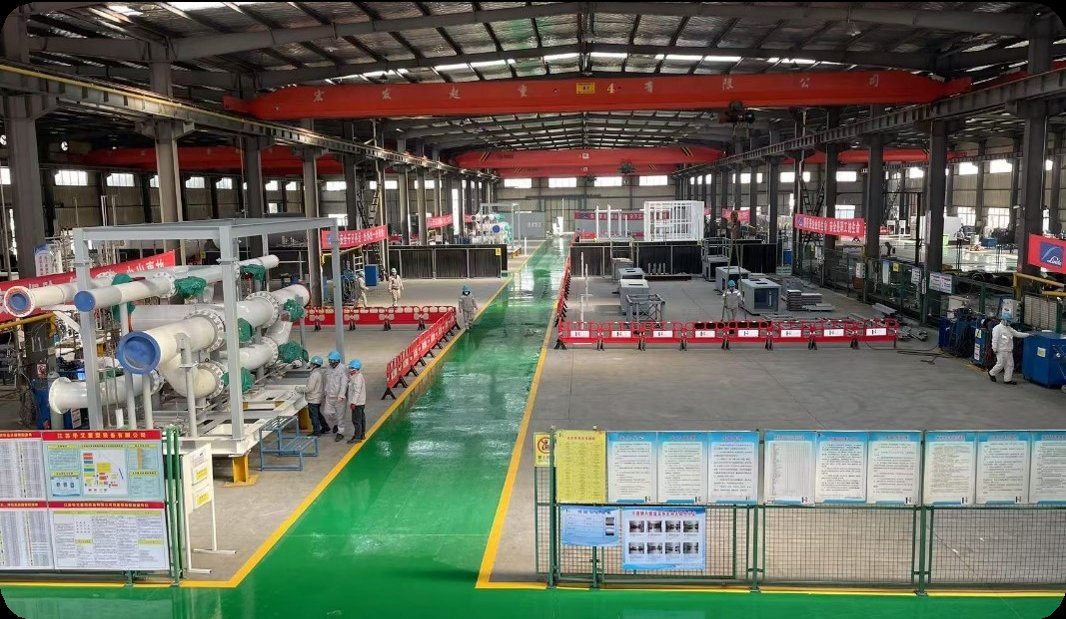
Manufacturing resources are organized around fabrication and forming, controlled assembly, surface preparation, heat treatment, testing and final release. Equipment selection and inspection points are confirmed against the approved manufacturing route and project ITP.
Laser cutting, CNC plate rolling with a reported reference capacity up to 50 mm, and mobile edge milling support accurate preparation before fit-up.
Qualified welding procedures and personnel are matched to the material and joint. Centralized gas supply supports stable workshop welding operations.
Through-feed shot blasting, manual sand blasting, pipe cleaning and airless spraying are selected to meet the specified coating system.
Heating, soaking and controlled cooling cycles are planned and recorded where the material, welding procedure or applicable code requires heat treatment.
Mechanical testing, applicable laboratory scope review and documented ITP release support the final controlled handoff.
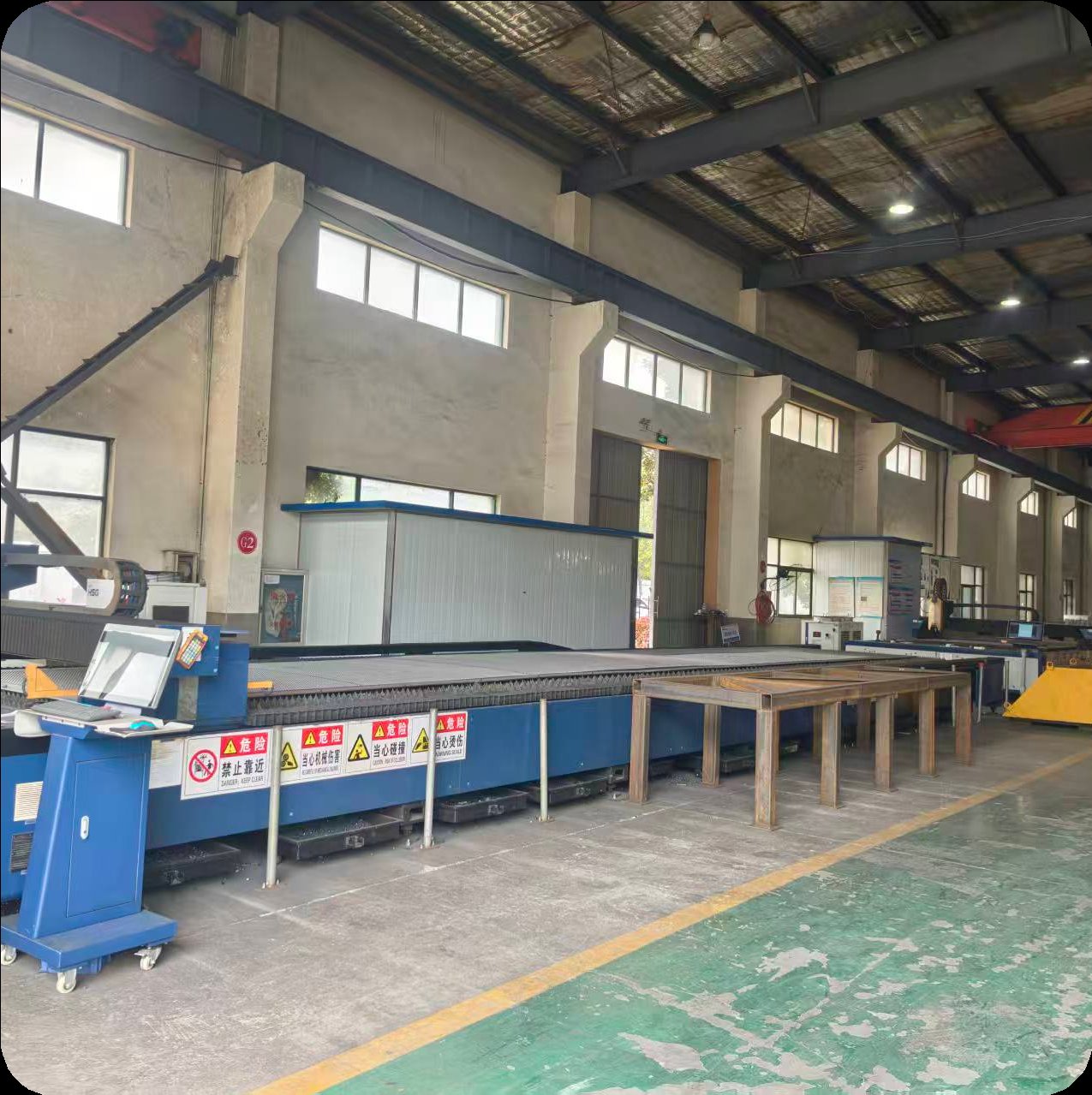
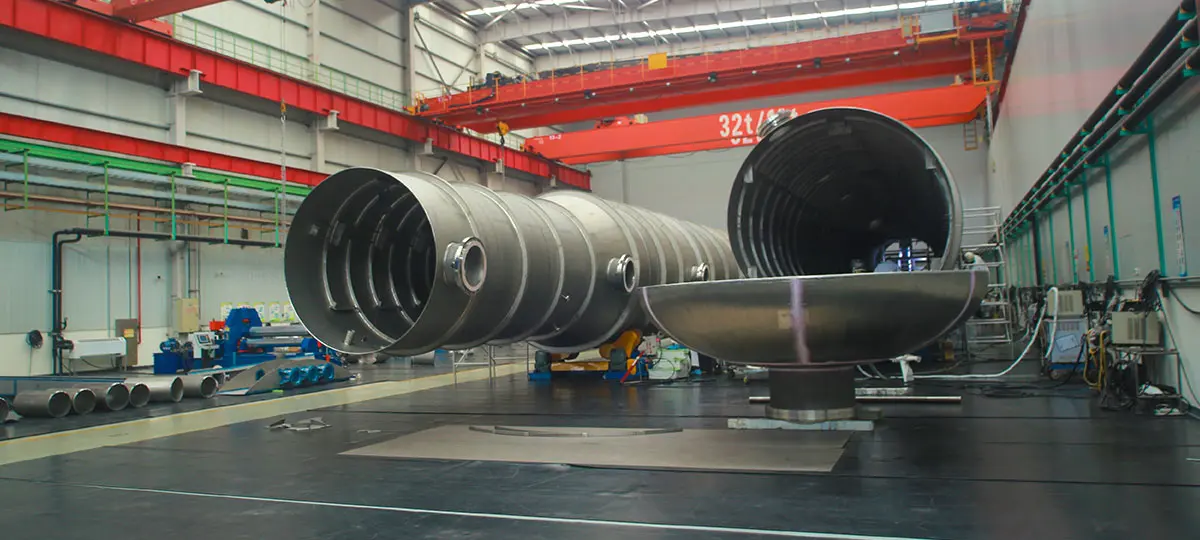
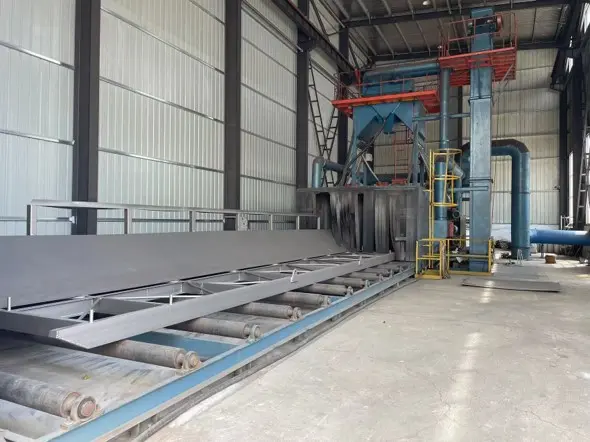
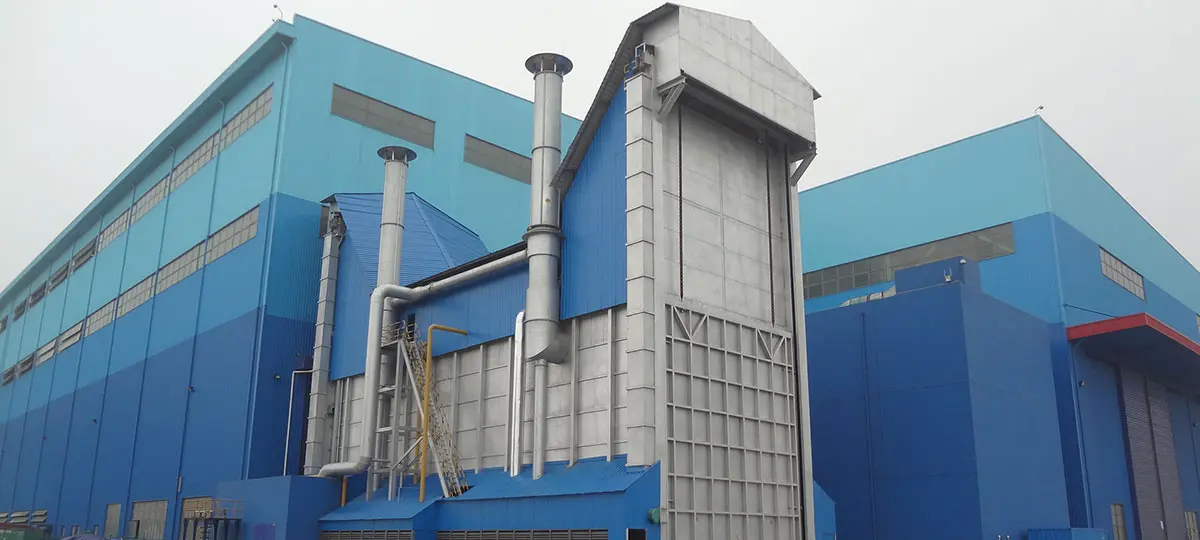
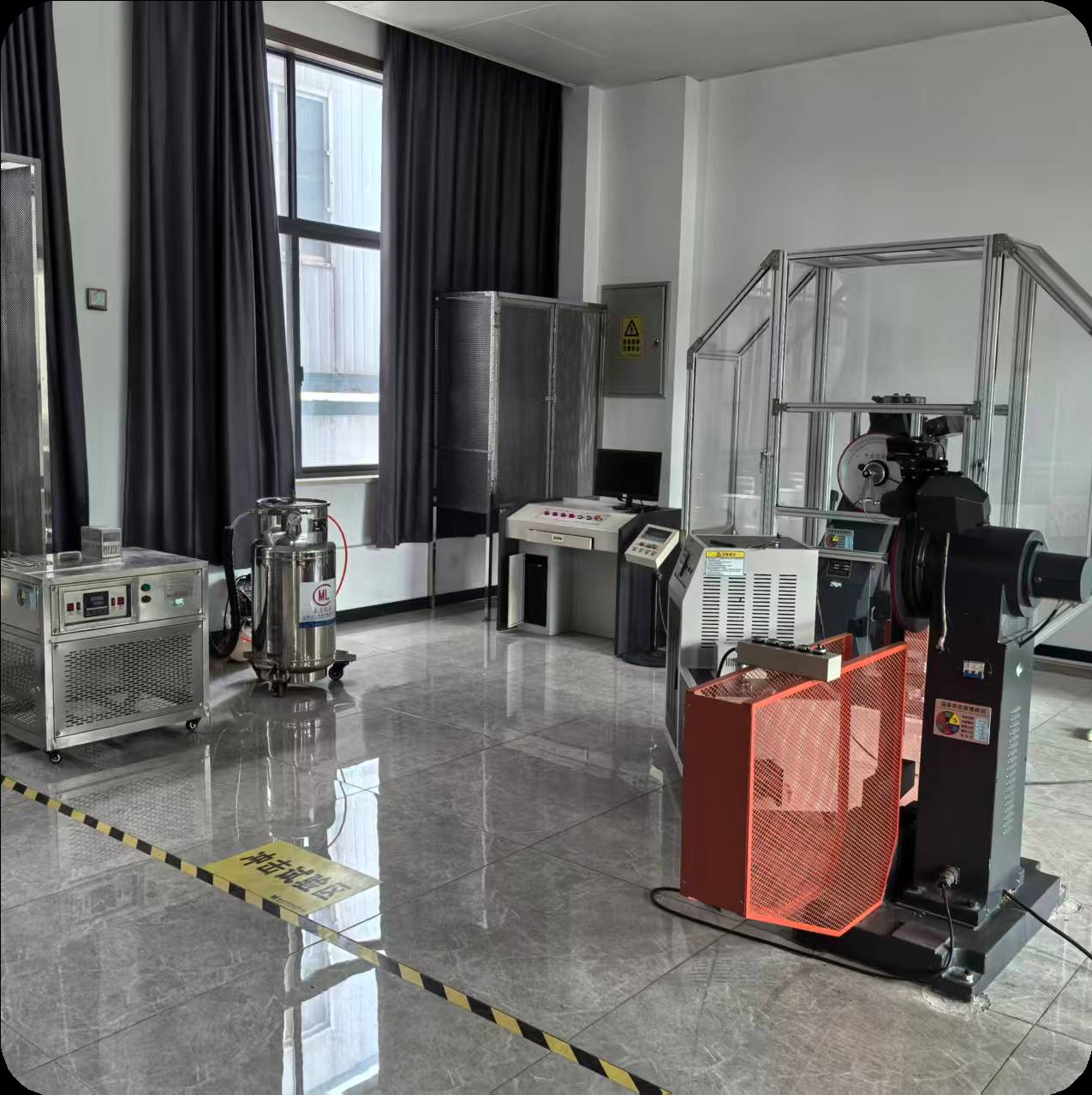
Equipment capacities shown are representative partner references. Actual forming limits, heat-treatment requirements and laboratory accreditation scope are verified for each project.
Manufacturing resources cover carbon steel, austenitic stainless steel, low-temperature steel and alloy steel. Material grade, forming limits and welding requirements are reviewed for the contracted equipment.
Carbon steel, stainless steel and low-temperature grades are sourced to the approved specification. Material selection is coordinated with the pressure equipment and piping scope.
Established material and component supply channels support piping spool fabrication. Purchasing priorities are coordinated with the workshop sequence and required delivery dates.
CNC plate rolling resources include a reported maximum thickness of 50 mm. Welding processes include SMAW, GTAW and SAW, supported by centralized welding gas supply.
The thickness above is a reported reference capability of a fabrication resource. Actual limits depend on material, plate width, forming radius and equipment selection.
Nondestructive examination and mechanical testing are arranged to meet the approved drawings, applicable code and inspection and test plan (ITP). Required test resources and personnel qualifications are reviewed before execution.
Radiographic and ultrasonic examination of welds, where specified.
Magnetic particle and penetrant examination for surface indications.
Laboratory equipment supports specified material and weld qualification testing.
The manufacturing resource introduction identifies CNAS-recognized laboratory capability. Laboratory identity, current accreditation and applicable test scope are reviewed when accredited testing is specified.
Fabrication, surface treatment and NDT resources support coordinated shop execution, with inspection timing aligned to production stages and project release requirements.
Controlled records, revision tracking and quality and technical release at ITP milestones.
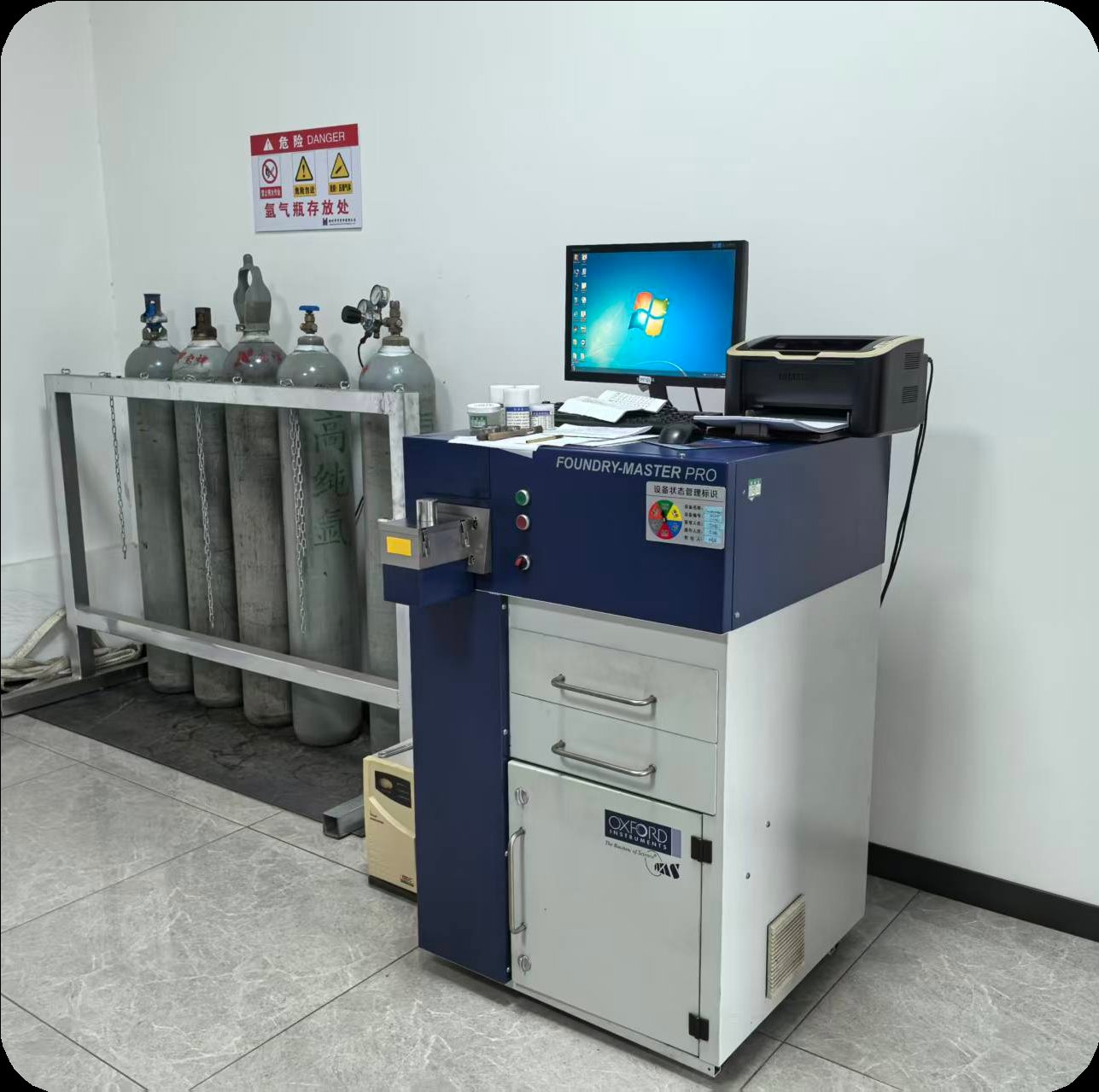
Manufacturing partner qualifications are reviewed against the destination market, equipment category and contractual requirements. Applicable codes, license scope and certificate validity are confirmed before manufacture.
The items below identify qualification areas reviewed where applicable. Certification belongs to the selected manufacturing entity and is confirmed for the contracted scope.
A dedicated supervisor coordinates technical, quality, safety, materials and schedule activities for each order.
Cutting, fit-up and welding are organized by function. Separate production areas are used where project requirements call for isolation.
Inspection points are defined in the project ITP. Quality and technical functions provide dual sign-off before the next controlled release.
Controlled drawings carry unique numbers and revisions. Engineering approval governs changes.
Daily coordination, weekly reviews and milestone checks monitor work in progress. Controlled schedule and quality records support review, audit and follow-up actions.
Production quality controls are intended to prevent nonconforming work from progressing to the next stage. Technical and quality reviews support corrective action before controlled release.
Dedicated inspection offices can support customer representatives during shop supervision, drawing review and quality report coordination.
After project completion, non-archive production drawings and technical files are collected by document control for controlled disposal.
Production area isolation for sensitive work, controlled document access and project NDA requirements support protection of technical information.
MDOW defines package interfaces with the fabrication subcontractor and coordinates the required inspection, test and documentation plan for the equipment scope.
Discuss a manufacturing scope →